Home
Build DemandCold EmailLinkedInCold CallingAdvertisingSDR Staffing
Drive RetentionCustomer SupportBack Office SupportTechnical SupportDesk ImplementationQA
IndustriesSmart Products & DevicesHome & OutdoorHealth & WellnessApparel & FootwearFood & BeveragePowersports & AutomotivePet ProductsPhysical AI & Robotics
ResourcesCase StudiesFAQsGuidesSoonBlogSoonWebinarsSoonPressSoon
Drive Retention·Customer Support

Support that knows your product as well as you do

Email, chat, phone and social, answered in your voice by a team hired for your product. Trained before go-live, scored every week.

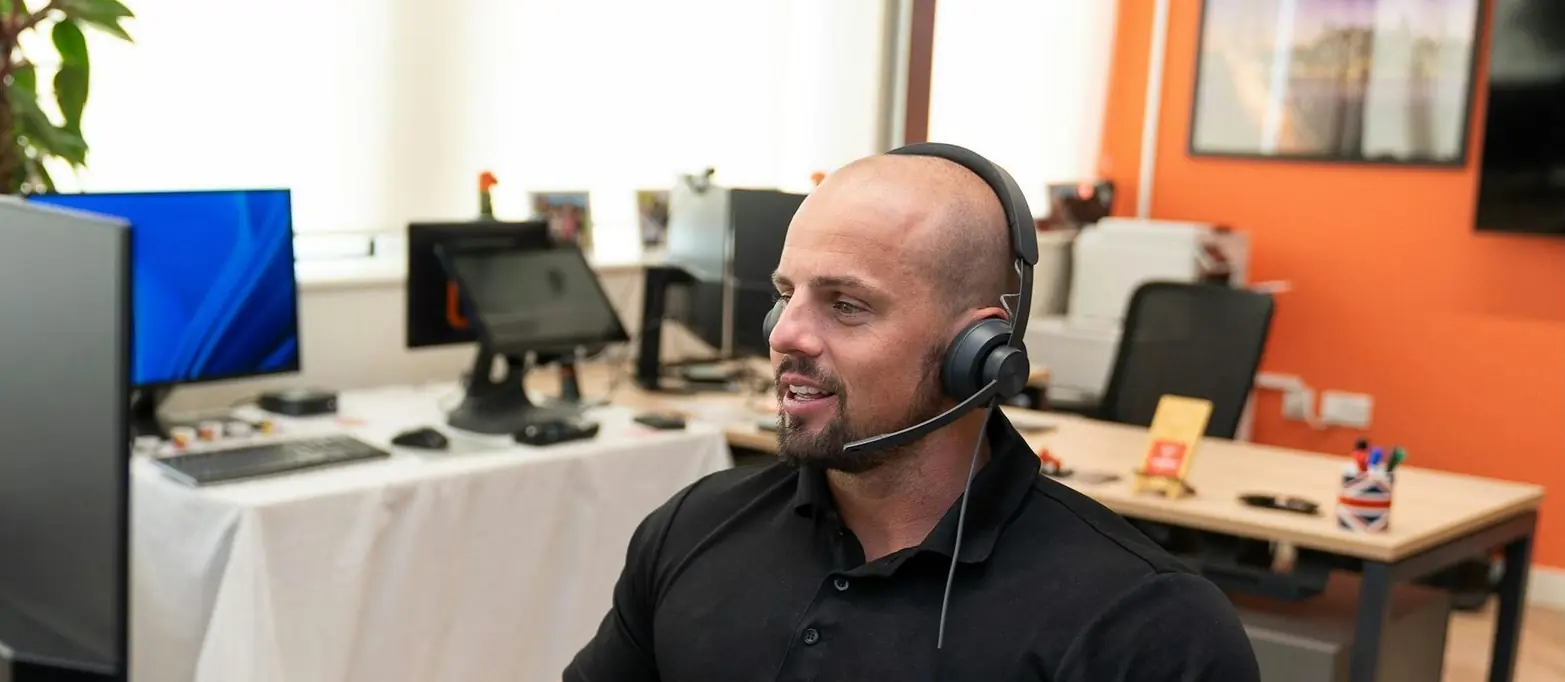
A support agent on a headset answering a customer

Answer every customer in your voice across email, chat, phone and social, with a team hired for your product, trained before go-live and scored every week.

The problem

Why the desk is still the founder’s job.

Support breaks when it is one more thing on the list. Usually that means:

  • The founder still answering tickets, the first job that should leave their desk
  • Offshore call centers that read a script and guess
  • Answers that are wrong, in a tone that is not yours
  • A generic team that costs less per hour and more per customer
  • Nobody covering the weekend or the busy season
  • In-house hiring that starts over every time someone leaves

Each one puts the queue back on the founder’s desk, and costs more per customer than it saves per hour.

Charm fixes this with a desk hired for your product and run inside your helpdesk.

The solution

A team that knows your product, answering in your voice.

Our customer support service combines:

  • Email, chat, phone, social and community on one desk
  • Agents hired for your product and dedicated to your queue
  • Training on the product and the playbook before go-live
  • A team lead, QA and a trainer on every desk
  • Every agent scored weekly against your standard
  • Every ticket read for the upsell, the reorder and the review

We run the whole desk, from the routing and the hours to the weekly scorecard, so the queue never lands back on the founder’s desk.

Charm works inside your Zendesk, Gorgias, Intercom, HubSpot or Front instance, so the history, the macros and the reporting stay with you.

Everything your customers need, answered by people who know the product.

01.Every channel, one desk

Omnichannel support inside your helpdesk

Email, chat, phone, social DMs, community and the Amazon inbox, answered inside your helpdesk, not ours. Spout runs email, chat, phone and community on one desk.

Includes:

  • Email, answered in your voice
  • Chat, closed in your helpdesk
  • Phone, with coverage set in the agreement
  • Social DMs and community
  • The Amazon inbox
  • Every channel routed into one queue

Your customers reach one desk on every channel, and every conversation stays in your system.

Support agents in headsets at their desks

02.Your voice, not a script

Agents trained on your product and playbook

Agents learn the product and the playbook before the first ticket. No script, no guessing. The sizing, warranty and setup questions are answered by someone who has handled the product.

Includes:

  • A playbook built from your specs and warranty terms
  • Agents who work your queue only
  • Sizing, warranty and setup questions, answered
  • Your voice, under your brand
  • Ready before the first ticket

Your agents work your queue only, in your voice, under your brand.

A woman laughing on a call at her laptop

03.Watched for revenue

Revenue signals handed back to your funnel

Every ticket is read for the upsell, the reorder and the review, and what we find goes back to your funnel. The same desk that answers the question flags the sale.

Includes:

  • Upsell and reorder moments flagged
  • Review opportunities flagged
  • Churn risk spotted and handed to your team
  • Referrals passed to marketing
  • Feature requests sent to product
  • Revenue signals in the weekly scorecard

What the desk hears goes to marketing, sales and product.

Two colleagues working through a problem at a laptop

The Charm customer support workflow

  1. 01.

    Design the desk

    We set up the channels, the routing, the escalation paths and the hours inside your helpdesk, and write the playbook from your specs and warranty terms.

    A man planning at a whiteboard of sticky notes
  2. 02.

    Hire and train the team

    Agents hired for your product, with a team lead, QA and a trainer. The first two weeks go to learning the product and writing the playbook, then a supervised ramp.

    A team meeting around a whiteboard
  3. 03.

    Answer in your voice

    Email, chat, phone, social and community, answered by agents who work your queue only and closed in your helpdesk. No script, no guessing.

    A woman in headphones at her laptop in a brick walled office
  4. 04.

    Watch every ticket for revenue

    Upsell, churn risk, referrals and feature requests are spotted in the queue and handed to marketing, sales and product, with the numbers in your inbox each week.

    Three colleagues meeting around a table

Better answers. Better coverage. A desk you can measure.

How every desk we run is set up:

Supervisedramp before the desk goes live
WeeklyQA scored against your standard
Every channelemail, chat, phone, social, community
Day oneagents trained before the first ticket
Case studies

Two desks, answering in the brand’s voice.

Sutro and Spout: two desks built before the first ticket, answering email, chat, phone and community as the brand.

Charm×Smart products & devicesCase study 01 / 02
Smart pool monitor→ Homeowners and retail buyers

Nine at night in July, answered in Sutro’s voice.

A support desk for a pool monitor is busiest when the pool is: nights, weekends, the middle of summer. The question is about water chemistry, and the answer has to be right.

Our team learned the chemistry, the app and the failure modes, so the answer comes back the same night instead of the next business day, across email, chat and phone.

We handleWater chemistryPairingApp setupReplacements
Same nightanswers in the middle of summer
Charm×Home & outdoorCase study 02 / 02
Countertop water hardware→ Homeowners, dealers, and installers

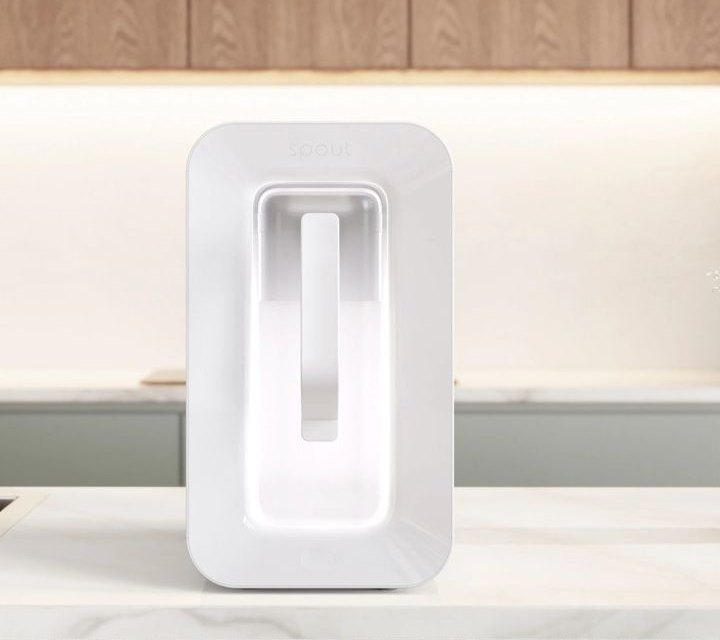
Email, chat, phone and community, one desk in Spout’s voice.

Support for a countertop water machine starts on day one, in four channels at once: where it goes, how it is plumbed, when the filter changes. Left unanswered, those questions turn into returns.

We took the inbox and the phone, learned the unit end to end, and answer every channel as Spout: setup, filters and dealer questions, handled by people who know the product.

We handleInstallPlumbingFilter changesDealer orders
“Our customers finally feel heard. Service quality improved across every channel. Across every vendor we work with, if I had to keep one, it would be Charm.”Reuben Vollmer, CEO, Spout
Email · Chat · Phone · Communitychannels covered
All case studies →

Questions

Agents, helpdesks, channels and the scorecard.

Are the agents dedicated to us?

Yes. Your agents work your queue only, in your voice, under your brand. They are not answering three other companies between your tickets.

Which helpdesk do you work in?

Yours. Zendesk, Gorgias, Intercom, HubSpot, Front, or whatever you already run. The history, the macros, and the reporting stay with you.

Which channels?

Email, chat, phone, social DMs, community and the Amazon inbox. Spout runs email, chat, phone and community on one desk.

How is pricing structured?

Per agent, per month, with the desk build included. The price moves with hours of coverage, channels, and how technical the product is. No per-ticket surprises and no long-term lock-in.

How long until we are live?

The first two weeks are learning the product and writing the playbook; the rest is staffing, training, and a supervised ramp.

Who does the work?

A dedicated team on your desk only: agents, a team lead, QA and a trainer, hired for your product and trained on your playbook before the first ticket.

How is quality scored?

Every agent is scored every week against your standard. The scorecard covers volume by channel, first response and resolution times, CSAT, QA results, and the revenue signals your team flagged, and the same numbers land in your inbox each week.

What happens when an agent leaves or underperforms?

The team lead covers the queue and a trained replacement steps in from the bench, so coverage holds. Coverage is set in the agreement, not improvised when volume hits.

Who owns the customer relationship?

You do. Every conversation, contact, and resolution lives in your system. If we ever part ways, nothing walks out the door with us.

Is there a contract length?

No long-term lock-in. The desk runs month to month after the ramp, and coverage is written into the agreement so nothing is improvised.

A desk that knows your product, built to your standard.

Thirty minutes. Bring your channels, your volume, and the tickets you want off your plate. You leave with a desk design, a start date, and a price.